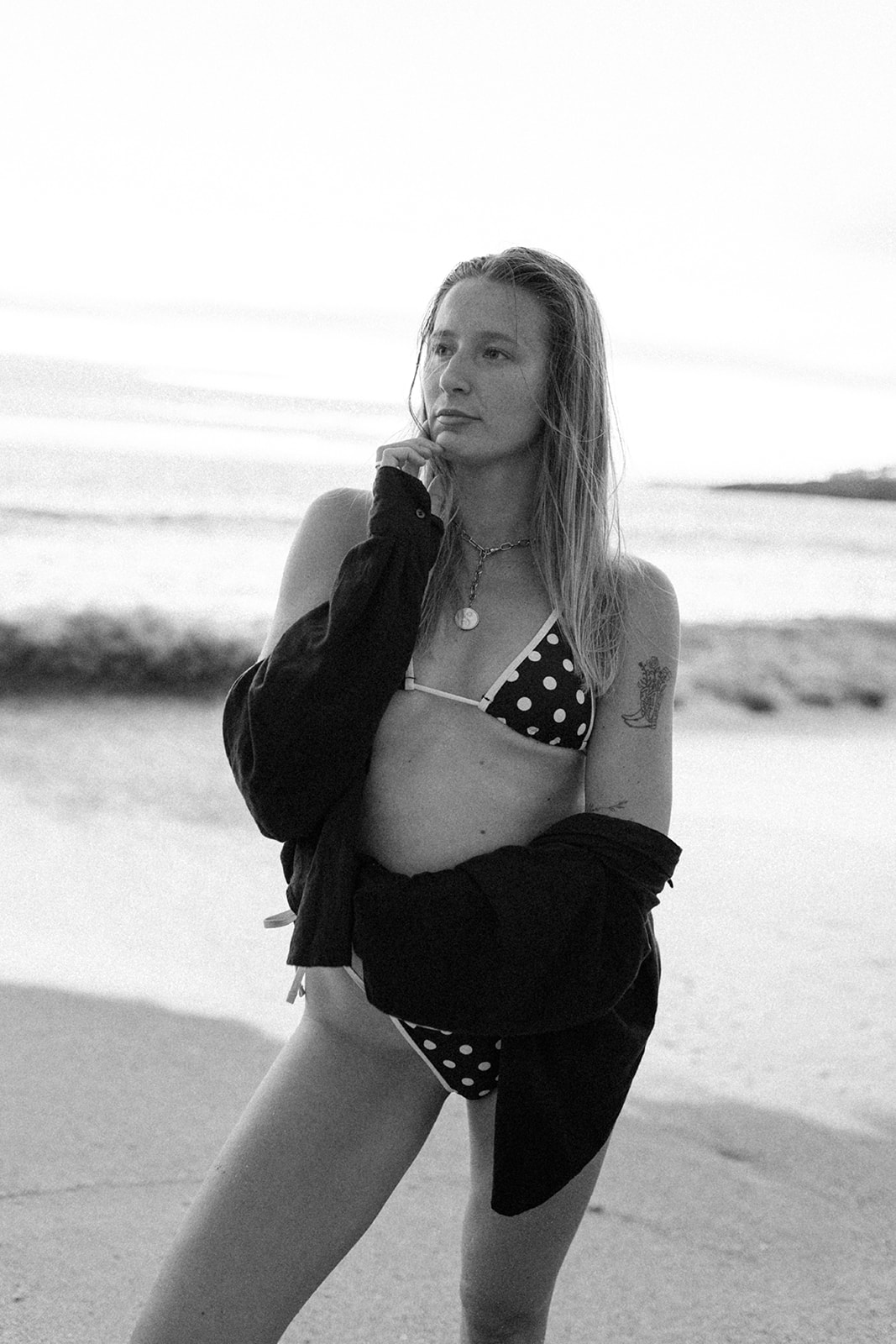
Most personal branding photoshoots start the same way: a Pinterest board, a list of poses, a laptop-and-coffee-cup shot list. The photographer shows up, works through the poses one by one, and the client leaves with a gallery of technically fine photos that could belong to almost anyone. If you’ve ever delivered a brand shoot that looked polished but said nothing about the person in it, the problem usually isn’t your camera skills. It’s how the shoot was planned. Here’s how to plan a personal branding photoshoot that actually feels like the person you’re photographing — not just professional, but recognizable.
Start With Story, Not Poses
Before you open Pinterest, ask a different question than most photographers start with.
Not: “What poses should we do?” Instead: “What story are we trying to tell? What do we want people to feel when they see these photos?”
That one shift changes everything downstream — your location, your outfit choices, the way you direct your client, even your shot list. Poses are something you borrow from someone else’s shoot. A story is something you build with the specific person in front of your lens.
Skipping this step is the single biggest reason a personal branding photoshoot end up looking generic. You can know every posing trick in the book and still walk away with a forgettable gallery if you never figured out what story you were actually there to tell.
Send a Real Questionnaire Before the Personal branding photoshoot
Most clients have never been asked to think about their brand beyond their offer, their pricing, and their marketing. They’ve rarely been asked what they want people to feel when they see them.
A thoughtful client questionnaire, sent a week or two before the shoot, forces that thinking to happen in advance — when there’s actually time to sit with it — instead of on the spot, camera in hand, nerves running high. A rushed answer in the moment gets you a generic shoot. A considered answer sent ahead of time gets you a specific one.
It also changes your role. Instead of showing up to execute a vague request, you arrive already understanding the brand well enough to make confident creative decisions on the day. That confidence is something your client can feel, and it’s part of what makes a session feel calm instead of chaotic.
A strong questionnaire should dig into things like:
- What does this person actually do, in their own words?
- Who are they trying to reach, and what problem do they solve?
- What three words describe their brand’s energy?
- Where do they feel most like themselves — a place, a room, a routine?
- What do they never want their brand to feel like?
The goal isn’t to collect answers for the sake of it. Every response should eventually map onto a real decision — location, outfits, the mood you’re chasing, the moments of genuine emotion worth watching for.
Turn the Answers Into a Concept — Not Just a Shot List
This is the step most photographers skip entirely, and it’s the difference between a shoot that feels intentional and one that feels like a checklist.
Before you think about logistics, write a short concept brief that sets the intention for the personal branding photoshoot— just a few sentences that pull the questionnaire answers into one clear idea. Not “brand photos for a business coach,” but something closer to “a woman who found her footing after years of self-doubt, now helping others do the same.”
A strong concept brief does three things:
- Names the core story — the one-sentence idea everything else serves
- Finds the tension — because real people are rarely one adjective. Soft but disciplined. Grounded but ambitious. The contradiction is usually what makes someone specific instead of generic.
- Identifies the one image you’re chasing — the single shot that, if it’s the only one you got, would make the whole shoot worth it
Once you have that, everything else — location, outfits, props, the pace of your direction — should trace back to it. This is where a shoot stops being a list of pretty pictures and starts being a story someone actually recognizes themselves in.
Plan Across Five Layers, Not Just Portraits
A single portrait can only ever show what someone looks like. It can’t show how they work, where their story unfolds, what makes them different, or how being around them actually feels. For that, a shoot needs to move across several layers, not stop at one.
At a high level, a complete personal branding shoot should capture:
- Who they are, beyond the job title
- How they actually work — creating, teaching, building, guiding
- The world around them — the space their story happens in
- The small, specific details that couldn’t belong to anyone else
- The feeling the whole gallery leaves someone with
Most photographers get the first layer right and stop there. The shoots that actually make someone stop scrolling almost always work across all five.
Give Direction, Not Poses
Once you’re on set, the words you use matter more than the pose you’re picturing in your head. Two instructions rarely work: rigid, inch-by-inch posing (it reads as stiff), and vague direction like “just be yourself” (almost nobody knows what that means with a camera pointed at them).
What works is giving your client somewhere specific to put their attention — a small, real action, not an emotion to perform. Something like asking them to walk slowly into the room, or to hold a tool the way they would right before starting real work. Direction like that gives their body something to do, which is usually what lets their face actually relax.
And then — hold a beat longer than feels natural. The shot you’re chasing rarely happens exactly when you ask for it. It happens right after, in the moment your client thinks the photo is already taken and their guard quietly drops.
Deliver a Story, Not Just a Gallery
How you hand off the final images matters as much as how you shot them. A strong brand gallery isn’t thirty disconnected photos in a folder — it has rhythm: an opening, a middle, an ending. Grouping a handful of images into a sequence your client can drop straight into a launch page or a carousel gives them something usable, instead of a full gallery they have to figure out alone.
That one shift — thinking about delivery as storytelling, not just file transfer — is often what separates a shoot a client quietly forgets from one they talk about for months.
Where to Go From Here – What happens after the personal branding photoshoot
Everything above is the why behind planning a soulful, story-driven brand shoot. The actual how — the exact client questionnaire, the concept brief formula, a full breakdown of how ten different brand personalities translate into real location, outfit, and direction choices, plus a complete shot list and shoot-day flow — is what I put together in the Soulful Brand Shoot Guide.
It’s built for photographers who are done with generic, corporate-feeling brand photography and want a real process to bring into their next session — not just inspiration, but a method.
Explore the Soulful Brand Shoot Guide
Want to start smaller first? Grab the free Soulful Brand Shoot Checklist — a simple planning tool you can use before your very next shoot.
