
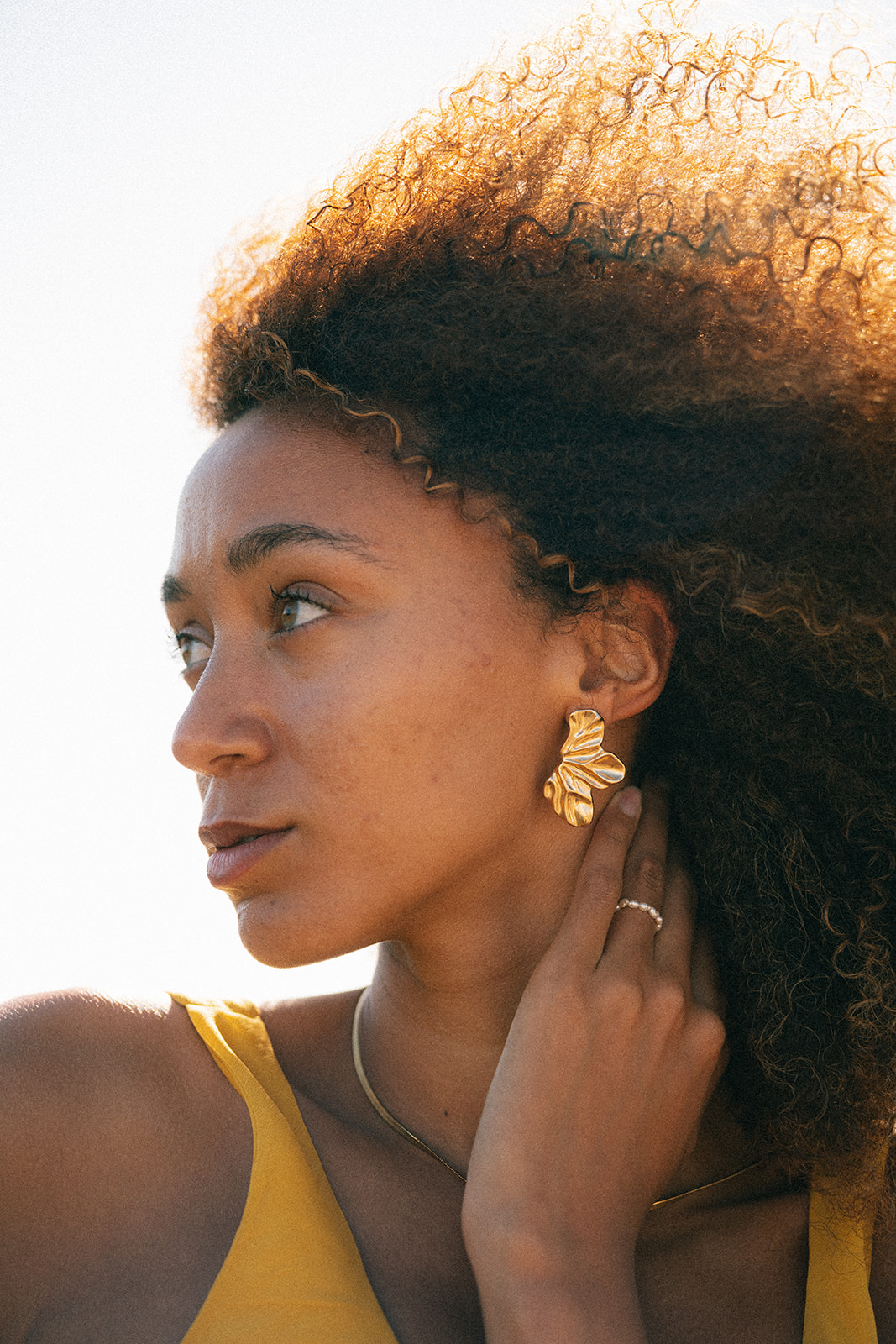
Most brand photography sessions capture one thing really well: a portrait. Good lighting, a confident expression, a clean background. And then the shoot ends there. But a single portrait can only answer one question: what does this person look like? It can’t show how they work. It can’t show where their story actually happens. It can’t capture what makes them different, or how being around them feels. So a brand shoot needs to move across several layers, not stop at one. That’s exactly what the 5-layer framework for brand photography does. It’s a simple structure — Person, Process, World, Details, Feeling — and it turns a shoot from a handful of pretty images into a real, complete story.
Here’s how each layer works, and why the 5-layer framework changes how you should plan a brand shoot from the very first conversation.
Why a Framework Matters at All
Before we get into the layers themselves, let’s answer an obvious question first: why use a framework at all? Doesn’t a framework risk making every shoot feel formulaic?
In practice, it’s the opposite. Without any structure, most photographers default to what they know best — usually straightforward portraits. The result is a gallery that looks technically fine but feels one-dimensional. A framework like this one isn’t a set of rules that restricts creativity. Instead, think of it as a checklist that catches what you might otherwise miss under the pressure of shoot day. The 5-layer framework gives you a way to plan with intention, while still leaving room for spontaneity once the camera comes out.
Layer 1: The Person
Most brand shoots already capture this layer — though often only partially. The Person layer shows who someone is once they stop performing or pretending. Think natural portraits. Genuine expressions. A quiet, unstaged moment.
Many photographers make one mistake here: they treat this layer as the entire shoot, instead of just one part of it. A strong portrait matters, but on its own, it can only show a polished, camera-facing version of someone. So the 5-layer framework treats the Person layer as the anchor of the shoot — important, but not the whole story.
Layer 2: The Process
The Process layer captures how someone actually works: writing, creating, teaching, coaching, building, making. Here, a brand shoot often stops feeling like a portrait session and starts feeling more like a documentary.
It’s usually the layer with the most honest images in the whole gallery, because your client isn’t thinking about the camera. They’re thinking about the task in front of them. So try this: ask your client to start doing real work, then shoot wide, medium, and close-up as they move through it naturally.
Layer 3: The World
Every story happens somewhere, and the World layer captures that setting with real intention. Think of a studio, a home office, a stretch of nature, or a favorite corner of a city — wherever the person’s actual work and life take place.
This layer does more than add visual variety. It grounds the whole shoot in something real. It tells the viewer: this is an actual place where an actual person does actual work, not a generic backdrop borrowed for the day.
Layer 4: The Details
A lot of the quiet magic in the 5-layer framework lives in the Details layer. Hands. Notebooks. Tools. Textures. Small rituals. These are the specific, particular things that couldn’t belong to anyone else’s brand.
Detail shots also earn their keep practically. They work well as filler content for a website, a newsletter, or a social post that needs a quieter visual instead of another hero portrait.
Layer 5: The Feeling
The final layer in the 5-layer framework isn’t really about what’s in the frame at all. Instead, it’s about what someone feels when they look at the image. Calm. Joyful. Grounded. Bold. Playful. Whatever the brand’s emotional register actually is.
Location, outfit, lighting, and editing style all shape this layer. And ultimately, it’s often what determines whether a gallery feels cohesive, or just like a random assortment of nice photos.
Why All Five Layers Need to Work Together
None of these five layers works well alone. For example, a shoot built only around the Person layer produces portraits with no context. Meanwhile, a shoot that leans too heavily on Details, without any Person shots, can feel disconnected from the human behind the brand.
So the real strength of the 5-layer framework lies in how the layers work together. Of course, they don’t need equal time in every session — some brands lean more into Process, others into Feeling. But by the end of the shoot, a complete gallery should be able to draw from all five.
Using the Framework as a Planning Tool, Not Just a Shooting Habit
The real value of the 5-layer framework shows up before the shoot even starts, not just during it. For instance, you can build every planning decision — the client questionnaire, the concept brief, the shot list — directly around these five layers. That way, nothing gets left to chance on shoot day.
This is also where the framework earns its keep. It’s not just a nice idea; it actually changes the outcome of a session. In fact, photographers who plan around all five layers in advance consistently walk away with more complete, more usable, more story-driven galleries than those who show up with a loose list of poses and hope for the best.
Where to Go From Here
The 5-layer framework is the foundation for everything else in soulful brand photography: the client questionnaire, the concept brief, the shot list, even how you direct a client in the moment. Understanding the five layers is just the first step. Knowing how to plan and execute a full session around them is the deeper work.
That full process — how to translate each layer into real location, outfit, and direction choices, plus a complete shoot flow built around the framework — lives inside the Soulful Brand Shoot Guide.
→ Explore the Soulful Brand Shoot Guide
Want a simpler starting point first? Grab the free Soulful Brand Shoot Checklist, built around the same 5-layer framework, and bring it into your very next session.

